
Exhibit D / Survivor Testimonials
A name.
A voice.
A life remembered.
Discover the lives and words of Armenian Genocide survivors through firsthand testimony, memoirs, historical recordings and original museum interpretation.
Explore the exhibit ↓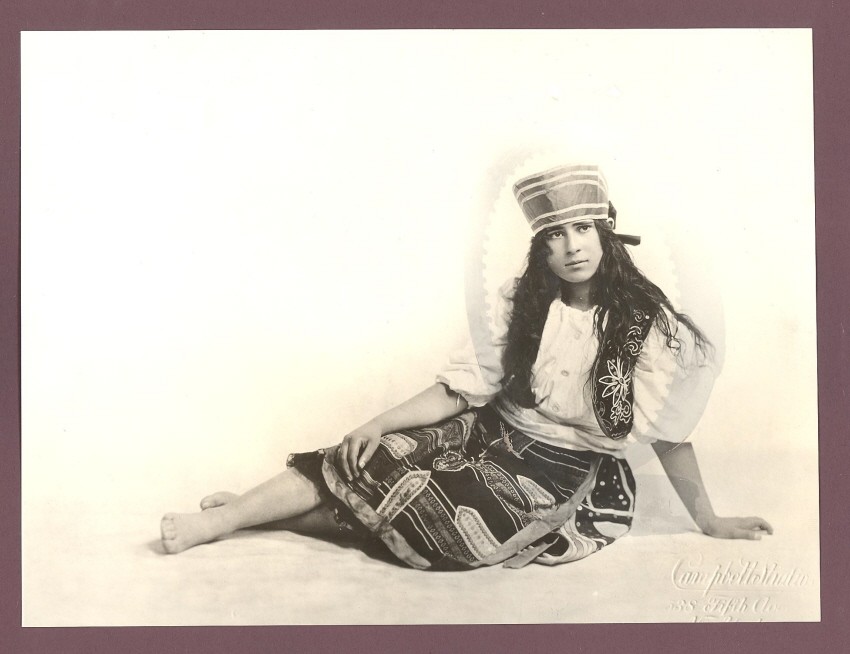

A survivor’s testimony begins with a person: a name, a home, a family and a life before the Armenian Genocide. Listening means allowing that life to remain larger than the violence inflicted upon it.
The Armenian Genocide claimed the lives of 1.5 million Armenians. Those who survived preserved accounts of deportation, captivity, loss, escape and the years of rebuilding that followed. Their records take different forms: memoirs, interviews, family recollections and statements gathered by institutions assisting refugees.
Through original research, historical testimony and Western Armenian narration, AGMC brings survivors’ experiences and voices into focus.
Aurora Mardiganian: from memoir to oral history
Aurora Mardiganian, born Arshaluys Martikian, carried her testimony into a 1918 book, Ravished Armenia. Published in New York, the memoir brought her experiences to an international audience. H. L. Gates is credited as a contributor to the English-language edition.
Decades later, Mardiganian recounted her experiences in a 1984 recorded interview. Her life also inspired Aurora’s Sunrise, the animated documentary directed by Inna Sahakyan. Her testimony endures across generations and forms of storytelling.
Mardiganian also appeared as herself in the 1919 film Auction of Souls. The film dramatized her experiences for audiences around the world; its surviving scenes are staged historical representations, not footage recorded during the Armenian Genocide.
Read AGMC’s original feature, Aurora Mardiganian: The Survivor Who Made the World Listen. Historical references: 1918 memoir · 1984 interview.
Exhibit D / The listening gallery
The voices we can still hear.
Hear survivors describe their lives, the destruction of their communities, and the memories they carried forward. Each voice brings an irreplaceable human perspective to the history of the Armenian Genocide.
Survivor testimony · Recording 01
A recorded survivor voice from the Armenian Genocide oral-history collection. Listen to the speaker’s memories and personal testimony.
Survivor testimony · Recording 02
A recorded survivor voice from the Armenian Genocide oral-history collection. Listen to the speaker’s memories and personal testimony.
Survivor testimony · Recording 03
A recorded survivor voice from the Armenian Genocide oral-history collection. Listen to the speaker’s memories and personal testimony.
Survivor testimony · Recording 04
A recorded survivor voice from the Armenian Genocide oral-history collection. Listen to the speaker’s memories and personal testimony.
Further survivor voices
Armenian Museum of America. Interviews with Serpouhi Badigian, Papken Keshishian, Levon Kasparian and Alice Odian Kasparian preserve memories of displacement, migration, music and cultural survival. Explore the museum’s interview collection ↗
USC Shoah Foundation. Its Armenian Genocide interviews document survivors’ memories and experiences. Explore the official archive ↗
Recording source: Zoryan Institute · Clips from the Collection ↗
Exhibit D / AGMC-hosted viewing room
On screen: memory and language.
A dramatized historical film and a contemporary Western Armenian language recording offer different ways of engaging with Armenian history and cultural continuity. Neither is a recorded Western Armenian interview with a genocide survivor.
Historical film / dramatization
Ravished Armenia · Auction of Souls
Aurora (Arshaluys) Mardiganian appeared as herself in the 1919 silent film Auction of Souls, based on her memoir published in 1918. The surviving scenes are dramatizations, not documentary footage recorded during the Armenian Genocide.
Karnig Panian: a child’s experience remembered
USC Shoah Foundation’s Armenian Genocide resources include Goodbye, Antoura: An Armenian Survivor’s Journey, a virtual educational activity about Karnig Panian. The Foundation identifies Panian as an Armenian boy from Gürün who was forced from his home in 1915.
His story offers a route into the experiences of children whose survival was bound up with displacement and institutional life. His childhood experience reveals the upheaval endured by Armenian children and the struggle to survive displacement and forced separation.
Find the Panian activity and Armenian Genocide collections at USC Shoah Foundation.
The Aleppo Rescue Home records
Not every survivor account was recorded in a studio or written for publication. Administrative records can also preserve a person’s account of what happened and how they reached a place of refuge.
Edita Gzoyan’s The Aleppo Rescue Home: 1464 Accounts of Armenian Genocide Survivors brings together accounts preserved in League of Nations archives. The Armenian Genocide Museum-Institute describes the publication’s original English records, Armenian translations, photographs and research annotations.
These documents are particularly important to the history of abducted Armenian women and children and their escape or rescue from captivity. Read the Museum-Institute’s description of the publication. Together, these records restore individual experiences to a history too often told only through numbers.
Collections preserving survivor voices
Recorded survivor interviews preserve voices, expressions and memories that written records alone cannot capture. Collection reference: Zoryan Institute.
Other recorded testimonies include interviews associated with filmmaker J. Michael Hagopian and historian Richard G. Hovannisian. Collection reference: USC Shoah Foundation.
New focus / Language and living memory
Armenian Voices: Preserving Survivor Testimonies and Western Armenian Heritage
Survivor testimony preserves more than a record of persecution. It carries the language of family life, place names, expressions, memories and ways of speaking that connect generations. Western Armenian is a vital part of that inheritance. Preserving a survivor’s words in their original language, alongside careful translations and historical context, helps future readers encounter the speaker as a person—not merely as a subject of history.
Armenian Voices explores the preservation of survivor testimonies and Western Armenian heritage through historical accounts, language, memory and educational resources.
Preserve the words, language and identity of each witness, keeping first-person testimony distinct from later retellings.
Present Western Armenian testimony with accurate translations, historical context and accessible reading formats.
Create original museum learning experiences that connect language, family memory, places and historical context.
Exhibit D / Western Armenian listening edition
The testimony, in its original language.
Explore Chapter 6 of Ժողովուրդի մը հոգեվարքը (The Agony of a People), attributed to Haig Toroyan and documented by Zabel Yesayan. AGMC presents this historical Western Armenian account in four parts, with the original text and AI-generated narration. The voice is a modern digital reading, not a recording of the eyewitness.
Part 1: Bread Distribution and the First Bodies on the Euphrates
The testimony begins with the distribution of bread to deportees and the first sighting of bodies in the Euphrates.
Listen in Western Armenian
Read the complete original Western Armenian text · Part 1 / Կարդալ բնագիրը
Հացի բաշխում։ Առաջին դիակները Եփրատի վրայ. 70 մանուկներ խեղդամահ։
Նոյն ամսուան մէջ Կիլիկիոյ շրջանէն, Ռում Գալէի կողմերէն հասան 200 հոգինոց խումբ մը հայեր, որոնք Ճալապլուզի մօտ կանգ առին։ Պէտք էր նոյն օրը մեկնէին, բայց որովհետեւ մէկ ու կէս օրէ ի վեր ոեւէ բան կերած չէին, որոշուած էր որ Ճալապլուզ տեղի ունենայ հացի բաշխումը։ Գայմագամի հրամանով հապճեպով հաց թխեցին եւ տակաւին անեփ, կէս խմոր վիճակին մէջ փուռէն հանելով, հացը յանձնեցին ինձ եւ Ալի Տայիին, որ տանինք ու բաշխենք աքսորեալներուն։ ՀԱցերը լեցուցինք երկու պարկերու մէջ եւ բերել տալով երկու աքսորեալ հայեր, բեռցուցինք զիրենք ու ճամբայ ելանք։ Հակառակ որ ասոնք կը տնքային բեռան ծանրութեան ներքեւ, անօթութիւնը այնքան կը տանջէր զիրենք, որ երբ մենք քիչ մը յառաջանայինք, պարկերէն հաց կը գողնային եւ կուտէին։ Երբ աքսորեալներու խումբին մօտ հասանք, անմիջապէս կարգադդեցինք, որ իրենց մօտ եղող քահանան եւ մեծերէն մէկը մեզ իմացընեն իւրաքանչիւր ընտանիքի անդամներուն թիւը, որպէսզի անոր համեմատ արդար բաշխում ընենք։ Ես եւ Ալի Տային մէկ մէկ պարկ բռնած՝ նստած էինք, բայց անսուաղ բազմութիւնը թափուեցաւ մեր վրայ եւ ոեւէ կանոնաւորութիւն պահել անկարելի եղաւ։ Ես սկսայ նախ կիներուն տալ, բայց այրերը եւ ուժեղները ձեռքերնէն կը յափշտակեն։ Մարդեր չէին կարծես, այլ անօթութենէ զայրացած անբաններ, որոնք կորսնցուցեր էին մարդկային զգացումներու ամեն հետք։ Ակնթարթի մը մէջ կերան, լափեցին եւ մենք պարկերը թողլով, հազիւ թէ յաջողեցանք փախիլ. մանուկներ, հիւանդներ, յղի կիներ անօթի մնացին։ Միջոց մը տեսայ, որ վտիտ երեխաներ մատերնուն ծայրը թուքով կը թրջէին եւ կը հաւաքէին գետինը ինկած ամենայետին փշրանքները։
Կիլիկիոյ շրջաններու մասին միշտ տեղեկութիւն կունենայինք եւ կը հետեւէինք անցուդարձերուն, բայց Հայաստանէն բոլորովին լուր չունէինք։ Ահա թէ ինչպէս առաջին հանդիպումը ունեցանք հայաստանցիներու հետ։
Մայիս մէկ առաւօտուն կանուխ ընկերներով ուզեցինք Եփրատի եզերքը երթալ։ Այդ եղանակին շատ գեղեցիկ է մեր շրջանը, կարծես ամբողջովին ծաղկաստան մըն է։ Վայրի ծաղիկներու բուրումը գաղջ օդի ալիքներով կը ծածանէր մթնոլորտին մէջ։ Երբ դէպի գետը կուգայինք, տեսանք որ հեռուէն սեւ սեւ կոյսեր կը ծածանին Եփրատի ջուրերուն վրայ։ Արաբներ, զինուորներ խումբ խումբ կեցած եւ հետաքրքրուած կը դիտէին այդ կոյտերը. յանկարծ աղաղակ մը բարձրացաւ.
– Հայեր են, հայե՜ր…
Մօտեցայ խումբի մը եւ թիւրք զինուորի մը հարցուցի.
– Ի՞նչ են ասոնք։
– Հէ՜, խայիննե՜ր, պատասխանեց, ձեր հայերու դիակներն են, չէք գիտեր, թէ ինչե՜ր պատահեր են վերերը։
Չէինք ուզեր հաւատալ եւ մօտենալով գետափին, սկսանք շտապել հոսանքն ի վեր դէպի երեւցող կոյտերը։
Part 2: The Euphrates: Witnessing the Atrocities
The witness describes identifying Armenian victims, the movement of bodies along the river, and acts of looting.
Listen in Western Armenian
Read the complete original Western Armenian text · Part 2 / Կարդալ բնագիրը
Գետափը խոռոչի մը մէջ տեսանք, որ զինուոր մը ջուրի եզրը նստած՝ դիակի մը վրայէն կը հանէ վերարկուն, լաթերը, կօշիկները։
Դարձեալ չուզեցինք հաւատալ, թէ այդ դիակները հայու դիակներ են, եւ կը խորհէինք, որ թերեւս պատերազմի հետեւանքով ինկող զինուորներու մարմիններ են։ Խմբուեցանք թիւրք զինուորին մօտ եւ ուզելով ստուգել, մօտեցանք դիակին։ Զինուորը կողոպտած վերարկուին գրպանները կորոնէր, երբ տետրակ մը հանեց։ Անմիջապէս առի ձեռքէն. ջուրը անընթեռնելի դարձուցած էր գիրերը։ Այսքանը միայն կրցայ հասկնալ, որ ադիկա Սամսադ [1] գիւղացի նպարավաճառի մը օրատետրն էր։
Սոսկումը եւ արհաւիրքը մեզ պատեց. ուրեմն իրաւ հայեր էին։ Դիակները կիջնային հոսանքն ի վար 5 կամ 10 հոգի ձեռք ձեռքի, ոտք ոտքի կապուած. հազուադէպ էին առանձին դիակները, որոնք նոյնպէս կապկպուած էին։
Ցորեկը լոյս աչքով ակնապիշ կը դիտէինք։ Մինչեւ մայիս 5 –ը անցան օրական 150–200 դակ առանց հաշուելու գիշերն անցածները։ Այսպէս տեւեց մինչեւ 28–29–ը, հետզհետէ օրական թիւը նուազելով։
Իրար կապուած դիակներու կոյտերը կը սահէին, կանցնէին անդադար։ Կային նաեւ կանանց դիակներ, որոնց երկու բազուկներուն տակ եւ սրունքներուն մէջ մէյ մէկ մանուկ կապուած էին։ Կիները բոլորովին մերկ էին եւ դեռատի, պառաւներ չի կային բնաւ։
Նոյն այդ խոռոչին մէջ հանդիպեցայ մօտ 14 տարեկան աղջիկան մը դիակին։ Հեռուէն որ կուգար, սեւ կոյտ մը կերեւար միայն։ Երբ մեր կողմը հասաւ, ալիքը զայն նետեց ափունքը, ուր յորձանքին մէջ պահ մը դառնալով, մնաց։ Առաջի պահուն ուռած մասեր միայն կերեւային. փորը սեւ եւ գորշ եւ ստինքները ուռած տիկներու նման, ոտքերը ջուրին մէջ կախուած էին եւ պղնձագոյն ազդրերը կը կրէին վէրքերու հետքեր։ Ոտքերէն կախուած էր պատռտած ճերմակեղէնը, որը ցեխով եւ արիւնով պղծուած էր։ Ձեռքերը քնքուշ էին եւ կապուած էին հաստ պարանով մը. դէմքը կորսուած էր ջուրին մէջ, բայց առատ ոսկեգոյն մազերը կը ծփային ջուրին վրայ։
Ես եւ ուրիշ հայ պաշտօնեայ մը նոր կամուրջը գացեր էինք։ Այնտեղ տեսանք հետեւեալը, կամուրջին ստորոտը, ուր պահապան զինուորներ կը կենան, այդ նոյն պահպանները շինած էին երկար երկաթէ ձողեր, որոնց ծայրը կեռ մը կար, որով դիակները կը քաշէին հագուստները կողոպտելու համար։ Այդ պահուն զինուոր մը կնոջ դիակ մը կը քաշէր, բերաւ ջրի եզերքը. կնոջ մարմինը կրի նման ճերմակած էր եւ սեւ խոշոր արատներ կը կրէր. մարմինը ձեւափոխուած լխկած էր գրեթէ եւ դիմագծերը անհետացած էին. այնքան փտտած էր այլեւս, որ ձողը հազիւ թէ կը դպցնէր, անիկա կը խրուէր մարմինին մէջ։ Այդպիսի դիակի մը ձեռքէն զինուորը առաւ արծաթ մատանին։
Part 3: Deportation, Displacement and the River
Further eyewitness accounts describe the riverbanks, the treatment of victims, and the suffering of deported families.
Listen in Western Armenian
Read the complete original Western Armenian text · Part 3 / Կարդալ բնագիրը
Նոյն կամուրջին ներքեւ երկրաչափի օգնական երիտասարդ ֆրանսիացի մը, որ յոյնի անուան ներքեւ կը մնար, արձակուրդի ժամուն կուգայ ձեռքը լուալու Եփրատի մէջ, երբ յանկարծ թեւին բան մը կը փաթտուի եւ սոսկումով վեր կը քաշէ. 14–15 տարեկան աղջիկան դիակ մըն էր, որ կը ծանրանար թեւէն։ Երիտասարդը ձեռքը կազատէ մազերէն, բայց այնտեղ գտնուող քիւրդեր կուգան աղջիկան դիակը կը յափշտակեն։ Անիկա տակաւին մատղաշ էր եւ գեղեցիկ։ դիակը թարմ էր եւ չէր ձեւափոխուած բնաւ. ոտքին կը կրէր կապուած քար մը, որով դանդաղօրէն եւ ջուրին մէջէն կը յառաջանար առանց մակերեսը բարձրանալու։
– – – –
Դիտած էինք, որ Ճալապլուզէն քիչ հեռու անսովոր երեւոյթ մը յայտնուած էր. երամներով ագռաւներ եւ շուներու ոհմակներ կերեւէին, որոնց կռնչիւնը, ոռնոցը եւ լալիւնը երկարօրէն կը լսուէր իրիկնամուտի ժամերուն։ Հետաքրքրուած գացինք այն կողմերը տեսնելու, թէ ինչ կայ։ Տակաւին ճանապարհին վրայ՝ դաշտներուն մէջ տեսանք մարդկային մարմինի բեկորներ, ձեռքեր, կէս յօշոտուած գանգեր եւ այլն։ Ո՞վքեր էին ասոնք, ո՞ւրկէ եկած էին, չի կրցանք հասկնալ։ Տեսանք, որ խոշոր շուներ դէպի իրենց որջերը կը քաշէին դիակներու բեկորներ իրենց ձագերուն համար։ Իսկ գետեզերը այդ բոկերները այնքան առատ էին, որ շուներու խումբեր եւ ագռաւներու, վայրի զանազան թռչուններու երամներ, իրարու առանց վնասելու, անվրդով եւ թառած իրենց որսերուն վրայ դունչերնին խրած դիակներու՝ մէջ անընդհատ կը լափէին։
– – – –
Գերմանական երկաթուղիի Հալէպի կեդրոնական պիւրօյի տնօրէնը եւ երկաթուղիի գիծի հայթայթիչը, որ զուիցերացի էր, Գարատաղի անտառը մեկնեցաւ փայտ բերել տալու համար, բայց չի կարողացաւ Եփրատի եզերքէն իր ճամբան շարունակել, որովհետեւ Պէրէճիքէ մինչեւ Գարատաղ գետին երկու եզերքը դիզուած դիակները այնպիսի նեխութիւն յառաջ կը բերէին եւ անոնց երւոյթը այնպէս խոր կերպով ջիղերը քայքայեր էին, որ սարսափով փախաւ, վերադարձաւ Հալէպ եւ մահացու կերպով հիւանդացաւ։
Երբ Ատիամանի, Սամսատի եւ շրջակայ գիւղերու հայերը տեղահան ըրած են, կիները ղրկուած են Արաբ Բունարի կայարանը եւ այրերն ալ կապելով իրարու, նետած են գետը։ Մայիսի վերջերը այդ վայրերու կիները գնացքով, 40 վակոնով, իւրաքանչիւրին մէջ 60–ական հոգի, կը ղրկուէին դէպի Հալէպ։ Երբ կանցնէին Եփրատի առժամանակեայ կամուրջին վրայէն, այդ դժբաղդները վակոնի պատուհաններէն եւ տեսնեն խումբ մը դիակներ գետին վրայ, որոնց հագուստները եւ տարազը նման էր իրենց գիւղացիների հագուստներուն։ Հարս մը, որ գնացքին մէջ նոր ծնած էր իր անդրանիկ զաւակը եւ որ իր հարստութեան եւ գեղեցկութեան պատճառաւ անլուր տանջանքներու մատնուած էր ճամբուն վրայ եւ կէս բելագար վիջակի մէջ էր, կը կարծէ ճանչնալ իր ամուսինը դիակներու այդ խումբին մէջ։ Բոլոր կիները կը ճչեն եւ կուզեն գետը թափուիլ. սիրական անունները կաղաղակեն, կը պոռան, կը հեծեծեն, եւ իրենց ձայները այնքան բարձր կը հնչեն, որ կը խափանեն վայրաշարժին սուլոցը, որ անդադար կը սուլէր։
Part 4: The Seventy Children and the Witnesses’ Response
The final section recounts the killing of seventy children, the reactions of local communities, and demands for accountability.
Listen in Western Armenian
Read the complete original Western Armenian text · Part 4 / Կարդալ բնագիրը
Նոր հարսը խելակորոյս վիճակի մէջ կուզէ գետ նետուիլ եւ չի յաջողելով նեղ պատուհանէն դուրս ցատկել, նորածին մանուկը կը նետէ դէպի իր կարծեցեալ ամուսինը, որ իյնալով քարերու վրայ, կը ջախջախուի անմիջապէս։
– – – –
Թիւրք մը, պատրուակելով որ մանուկները պիտի տանի, լաւ մարդոց խնամքներու պիտի յանձնէ, Սամսադի գիւղացիներէն եւ թիւրքերու ձեռք հաւաքուած մանուկներէն 70 հոգի կառնէ, մակոյկ մը կը լեցնէ եւ կըսէ թէ Եփրատի վրայով Ճալապլուզ պիտի բերէ՝ անկէ Հալէպ անցնելու համար։
Երբ կը հասնին Սիւբիւրկիճի ( Սուրբ Փրկիչ) մօտ, ուր ջրվէժ մը կայ եւ մեծ յորձանք մը կը կազմէ, եւ որ վերջին ծայր վտանգաւոր է ամեն մակոյկներու համար, փայտ մը կը կոտրէ մակոյկէն, ինքը կը նետուի ջուրը եւ լողալով կը հասնի գետեզրը։ Մանուկներու մակոյկը անտէր եւ առանց ղեկի կը հասնի յորձանքին, կը շրջի անմիջապէս, եւ սարսափահար մանուկները ցիր ու ցան պահ մը կը դառնան յորձանքին մէջ։ Կէս ժամ չանցած 70 փոքրիկ դիակները կուղեւորուին հոսանքն ի վար։ Թիւրքը գետեզրը կեցած կը հսկէ եւ կսպասէ, մինչեւ որ վերջին մանուկն անհետանայ, ուրկէ ետքը կը դառնայ իւր գիւղը։
– – – –
Մեր շրջանի հայերը մատնուած էին հոգեկան անպատմելի չարչարանքի։ Երբ դիակներ կերեւային գետին վրայ, գործ եւ այլն կը ձգտէին եւ կը փախէին, որպէսզի չի տեսնան։ Ու անդադար կանցնէին խեղդամահներու սեւ կոյտերը, որոնք փոխանակ թիւրքերուն գութը շարժելու կը գրգռէին իրենց ատելութիւնը։ Պէրէճիքի թիւրքերը իրենց սրճարաններու մէջ նստած՝ լուտանքներ կը թափէին անցնող դիակներու վրայ կամ կը հեգնէին ու կը ծաղրէին։ Տղաքը քար կը նետէին ու նախատական խօսքերով գետափէն կը հետեւէին անոնց ընթացքին, իսկ կիները կը գանգատէին, որ այդ պիղծ դիակները Եփրատի ջուրերը աղտոտած են եւ ամեն կարգի անէծքներ ու հայհոյութիւններ կուղղէին հայերուն։
Արաբները միայն կը խղճային ու կը գանգատէին։ Իրենց մեծամեծները զայրացած էին այս անարդար անխղճութիւններուն վրայ, եւ մանաւանդ 70 մանուկներու մահը մեծ գրգռութիւն յառաջ բերաւ իրենց մէջ թիւրքերու դէմ։ Բուռն կերպով բողոքեցին Հալէպի կառավարութեան եւ 70 մանուկներու ոճրագործը ձերբակալելով, յանձնեցին դատարան, որուն կախաղան բարձրացուց արաբներու ստիպումին վրայ։
Շատ տեղ զիս իսլամ կարծելով, թիւրքերը անվերապահ կերպով կը խօսէին այս անցուդարձերու մասին։ Իրենց ընդհանուր կարծիքը այս էր.
«Աստուած հայը ստեղծած է ղուրպանի (գոհ) համար, կիները՝ զուարճութեան համար, բայց մանուկները սպաննելը իրօք բարբարոսութիւն է»։
Source: Chapter 6, Ժողովուրդի մը հոգեվարքը (1917); attributed to Haig Toroyan, documented by Zabel Yesayan.
When a testimony crosses languages
Words do not move unchanged from a survivor’s recollection to a transcript, translation, publication or exhibition. A recorded interview may be conducted in Armenian, translated into another language, edited for publication and later quoted without its original context. Each step can affect how a reader understands the speaker.
Western Armenian holds a special place in preserving the experiences of Armenian communities uprooted during the Armenian Genocide. Survivor testimonies, however, were recorded in several languages. AGMC identifies the language of each testimony accurately, respecting the original voice and historical context of the survivor.
AGMC’s testimony research brings together historical sources and original interpretation to make survivor voices accessible across generations.
AGMC original research feature / 01
Three records. Three ways a life survives.
A testimony is not just a story. It is a historical record with a speaker, a language, a date, an editor or interviewer, and a chain of custody.
This original AGMC source study compares three different kinds of survivor evidence: a published memoir, a childhood account presented through an educational archive, and institutional rescue records. Their differences matter. Each preserves something the others cannot.
Aurora Mardiganian
Ravished Armenia was published in New York in 1918. The 1918 English-language edition names Aurora Mardiganian and H. L. Gates as contributors. The published account carried her testimony to readers around the world.
What the record tells us: A survivor’s account reached a wide reading public during her lifetime.
What it does not tell us by itself: Which words Aurora originally spoke in Armenian, or how editorial mediation shaped the English text.
Examine the digitized primary source ↗Karnig Panian
USC Shoah Foundation’s Goodbye, Antoura learning activity introduces Karnig Panian, a child from Gürün who was forced from his home in 1915. The resource shows how an individual childhood history can become the centre of guided historical education.
What the record tells us: Children’s experiences can be studied through named, contextualized sources rather than anonymous accounts.
What requires care: His childhood testimony illuminates the experiences of Armenian children uprooted during the Armenian Genocide.
Explore the institutional source ↗The Aleppo Rescue Home
The Armenian Genocide Museum-Institute describes Edita Gzoyan’s publication of 1,464 survivor accounts from League of Nations records, with original English records, Armenian translations, photographs and research annotations.
What the record tells us: The histories of abducted women and children can also be traced through records created in the course of rescue and relief.
What requires care: The records preserve the individual experiences of women and children who survived captivity and displacement.
Read the museum’s publication record ↗Explore the evidence
What can a source actually prove?
Explore how AGMC examines testimony, historical context and the evidence preserved across generations.
Does an English memoir preserve the survivor’s exact Western Armenian words?
No. The 1918 Library of Congress edition is in English and credits an additional contributor. It is valuable primary evidence, but an Armenian-language original or authenticated recording would be needed before presenting specific words as Aurora’s Western Armenian speech.
What can we learn from an archived survivor recording?
An archived interview preserves the speaker’s voice, expressions and recollections. Identifying the person, recording date and historical circumstances helps us understand the testimony in context.
Why distinguish a memoir, an interview and a rescue record?
Each was produced for a different purpose. A memoir may be edited for publication; an interview reflects the speaker and interviewer at a particular moment; an institutional record reflects the procedures of the organization that created it. Comparing them is more responsible than treating all three as interchangeable quotations.
What would make this a Western Armenian preservation collection?
Verified Western Armenian sources, accurate transcriptions, carefully reviewed translations and original AGMC educational interpretation. The original-language listening edition elsewhere on this page is an initial educational presentation; independent linguistic review, permissions, and durable preservation documentation remain outstanding.
AGMC original educational feature / Interactive
The Testimony Reading Room
One survivor. Several records. How do we preserve a voice without confusing the person, the document and the language?
Created by AGMC, this interactive reading room explores how names, languages and historical records shape our understanding of survivor testimony. Follow three questions and investigate the case of Aurora Mardiganian.
Who is speaking?
A name is the beginning, not the whole record. A person may appear under an Armenian name, an English spelling, a married name or an editorially altered name.
Explore the curator’s question
Record every form of the name found in the source, identify who supplied it, and avoid treating different spellings as different people without evidence. Keep the survivor’s life before and after 1915 visible.
Whose words are these?
A memoir, oral interview, transcript and translation are not interchangeable. Each can involve an editor, interviewer or translator.
Explore the language question
Ask what language the person actually spoke in this particular source. If a text is translated, identify the translator when known. Do not label an English-language publication a Western Armenian transcript merely because its author was Armenian.
Where is the original?
The path from a survivor’s words to a preserved historical record helps establish its context and authenticity.
Explore the preservation question
Trace each source to its original date, speaker and historical setting. These details connect the evidence to the life it preserves.
Source study / Aurora Mardiganian
Three encounters with one life
Explore how three kinds of records can tell us about Aurora Mardiganian without being treated as identical evidence. Select each question to reveal AGMC’s interpretation.
1918 — What does the published memoir establish?
Ravished Armenia is a published survivor narrative associated with Aurora Mardiganian and H. L. Gates. The Library of Congress catalogue helps identify the edition and its contributors. The book is evidence of a published account, but its printed English wording should not automatically be presented as a verbatim Western Armenian recording.
1919 — Is the film direct documentary footage?
No. Auction of Souls is a dramatization in which Mardiganian appeared as herself. Its images are significant to the history of testimony and public awareness, but a staged scene is not footage captured during the events it depicts.
1984 — Why does the later interview matter?
The Zoryan Institute recorded Mardiganian’s audiovisual testimony decades after her memoir. A recorded interview preserves aspects of voice, presence and recollection not available from a printed book. The Zoryan Institute’s account provides context; AGMC does not host or claim ownership of that recording.
From archival source to a responsible digital exhibit
- Identify and verify Identify historical materials and establish their origins, language, dates and context.
- Transcribe and translate Prepare accurate original-language transcriptions and carefully reviewed translations.
- Interpret and teach Create original biographies, contextual essays, accessible interfaces and learning resources that preserve the dignity of survivors.
- Credit and maintain Credit historical sources and preserve clear records of AGMC’s original research and interpretation.
How to listen without losing the person
Record the survivor’s name, the date of the interview or publication, the original language and any translator or editor identified by the source. Preserve the archive’s reference when one is available. Those details keep a quotation connected to its speaker and allow other readers to follow it back.
Listen for the life surrounding the violence: family relationships, work, language, faith, everyday surroundings and the years after survival. An account of a childhood home or a remembered relative is part of the historical record, not a digression from it.
A descendant’s account can preserve something a parent or grandparent shared. It should be identified as inherited family testimony rather than presented as the descendant’s own eyewitness experience. A memoir, an interview and an institutional file can illuminate one another while remaining distinct sources.
Continue exploring
Visit Women Writers and Eyewitnesses for related written records, explore Maps of the Armenian Genocide to connect places with narratives, or read Documenting the Crime on survivors as record keepers.
For historical context, return to Inside the Armenian Genocide. For teaching, begin with Teacher Resources and AGMC’s original educational resources.